5.0 · 4 Google reviews Rockford (763) 228-5544
Steve Greene Painting
Window Frame Staining: Restore the Wood, Skip the Replacement

Rockford Local

Window Frame Staining: Restore the Wood, Skip the Replacement

Faded, blotchy, or worn frames don't need replacing, they need the right prep and the right finish.

Free estimate

Tell us what you need

Three fields. It reaches a person here, not a call centre.

No obligation · Responds within 1 business day


By submitting this form you agree that we may contact you about your request and share your details with partner companies for marketing purposes.

Window Frame Staining Done to Last

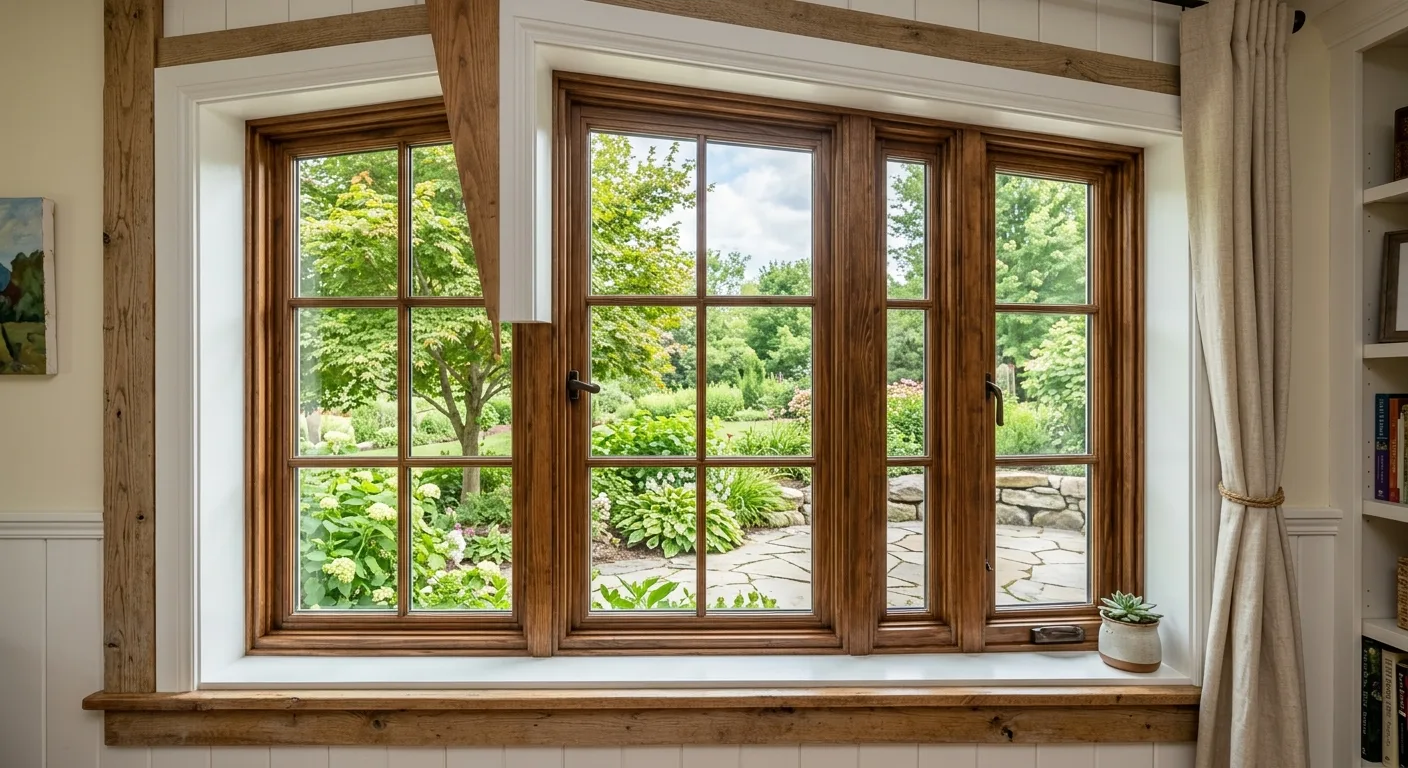
Window frame staining is one of those jobs that looks simple from across the room and reveals how much it matters up close. Stain over poorly prepped wood goes blotchy. Skip the sanding and the grain won't absorb evenly. Rush the topcoat and you're back to square one inside a season. Lorrie Labofsky hired Steve Greene Painting to re-stain and varnish every window frame in her house, frames that had faded and, in some cases, looked like the wood was starting to rot. The result looked completely different. That's the kind of finish this work deserves, and it's what we deliver. Call for a free estimate.

The process starts with an honest look at what the wood needs. Some frames just need a light sand, a fresh stain, and a clean topcoat. Others have UV damage, moisture infiltration, or old finish that has to come off entirely before anything new will hold. We hand-sand every frame, clean out the grooves, and apply stain in a way that lets the grain show through, not mask it. Masking the glass and surrounding trim enamel is done carefully so the only thing that changes is the wood. Cost depends on the number of frames, their condition, the stain and topcoat you choose, and how much prep the existing finish requires. Every job is different, contact Steve Greene Painting for an accurate estimate.

Recent work

Proof in the details

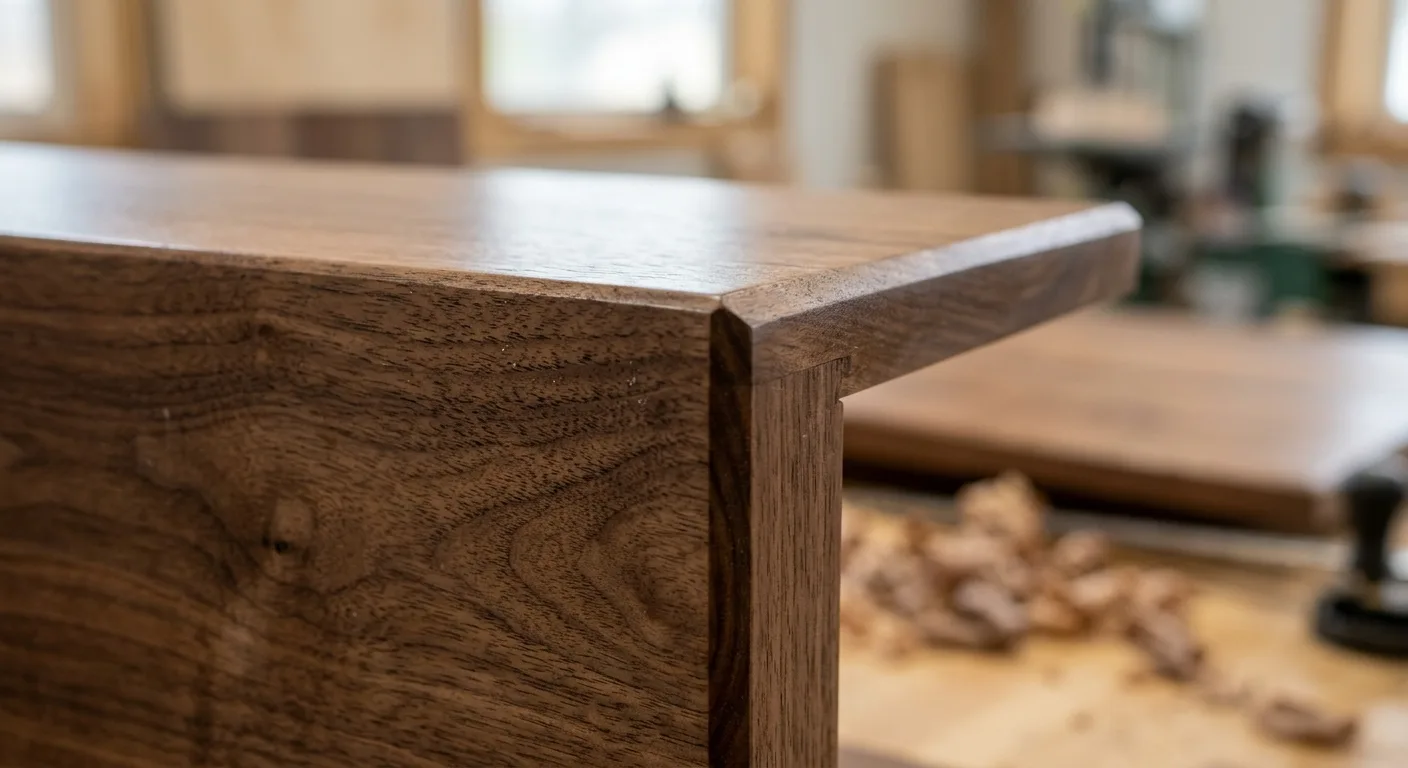
A few recent projects, photographed on the job. The finish is the whole point — so look at it up close.

number of frames work, professional service in Rockford, MN
Number of Frames
existing finish condition work, professional service in Rockford, MN
Existing Finish Condition
wood species work, professional service in Rockford, MN
Wood Species

Stain or Paint for Window Trim?

The answer depends on what the wood is and what you want it to do.

Paint hides the wood. Stain works with it. If you've got solid wood frames with good grain, oak, pine, maple, stain is almost always the better call. It lets the material show through and, with the right varnish over it, holds up for years without looking like it needs attention. Paint is fine on MDF or finger-jointed frames where there's nothing worth showing. Honestly, a lot of homeowners don't realize their frames are worth saving until we sand back the old finish and the wood underneath comes through clean. That moment is always worth the extra prep time. If you're also updating adjacent woodwork stain or trim throughout the room, we can coordinate the finishes so everything reads consistently.
number of frames work, professional service in Rockford, MN

Our Process

How Window Frame Staining Works

No shortcuts on prep. That's where every quality stain job starts and where most rushed ones fail.

  1. 01

    Assess and Prep

    We examine every frame for moisture damage, rot, failing finish, and surface condition. Old stain or varnish that won't accept a new coat gets stripped or sanded back. Grooves and corners get hand-sanded so the new stain reaches the wood evenly, not just the flat faces.

  2. 02

    Stain and Seal

    Glass and surrounding surfaces are masked off cleanly before we start. Stain is applied with the grain, worked into every profile and edge, then wiped back to control depth. Once it's set, a topcoat varnish goes on to protect the finish from sun, humidity, and daily contact.

  3. 03

    Inspect and Clean Up

    We check every frame before we leave, no runs, no lap marks, no missed edges. Masking comes off carefully, and we clean up the work area so the only evidence we were there is the finished wood.

What We Handle

What Drives the Cost of Window Frame Staining

These are the factors that make one job straightforward and another more involved.

01

Number of Frames

More frames means more prep time, more stain, and more masking. A single room and a whole-house job are different in scope, but the per-frame process doesn't change.

02

Existing Finish Condition

Frames with heavy UV fading, peeling varnish, or surface damage take more prep. A frame in decent shape gets a clean sand and goes. One with failing old finish takes longer to bring back right.

03

Wood Species

Oak stains differently than pine. Some species need a pre-conditioner to prevent blotching. We pick the right approach for what you have, not a one-size-fits-all product.

04

Topcoat Choice

Water-based poly dries faster and stays clear. Oil-based varnish builds a thicker film and handles more wear. We'll walk you through what makes sense for your windows and how much light they get.

05

Moisture or Rot Repair

If there's soft wood or minor rot, we handle that before staining. Covering damage without addressing it means the finish fails early. We fix the problem or tell you clearly when it's beyond a cosmetic solution.

06

Access and Profile Complexity

Deep sills, detailed molding profiles, and tight corners take more time to prep and finish cleanly. Flat frames go faster. Ornate ones require patience and a steady hand. We don't rush either.

What Good Window Frame Staining Looks Like

A well-stained window frame has even color across every surface, flat faces, inside corners, and profiles all read the same depth. The grain shows through without muddy patches or light streaks. The topcoat lies flat with no brush marks or runs, and the edges where stain meets glass or surrounding molding painting are crisp and clean. Run your hand across a properly finished frame and the varnish should feel smooth, not tacky or uneven. If a frame looks good from across the room but shows lap marks and missed corners up close, the prep wasn't right. That's the kind of thing we notice before it ships. Not something a homeowner should have to point out afterward.
  • Even stain depth across all profiles and flat surfaces
  • No blotching, streaking, or light patches in the grain
  • Clean edges where stain meets glass and adjacent trim
  • Flat topcoat with no brush marks, runs, or tack
  • Corners and grooves finished to the same standard as the face
  • No missed spots visible in natural light
Painting

Why Frames Fade and What Fixes It

UV exposure breaks down varnish before it touches the wood. Once the topcoat fails, sun and moisture get into the wood fibers and the color starts going grey or black. That's what causes the black marks you sometimes see on window frames. It's typically tannin oxidation or early mold from moisture in unprotected wood, not something cosmetic paint covers cleanly. Sanding back to bare wood and starting fresh with the right stain and a durable varnish is the real fix. We've brought back frames that looked past saving. Sometimes the wood underneath is in much better shape than the surface suggests. And when it's not, when there's genuine rot or structural softness, we'll tell you straight rather than stain over a problem.
number of frames work, professional service in Rockford, MN

Steve Greene Painting: Window Frame Staining

Specialty wood finishing from a craftsman who's done it correctly for years.

Rated 5 stars across Google reviews, including from homeowners who had every window frame in their house re-stained and varnished. Steve is hands-on with every project and takes the time to explain the process and the options before work starts. We serve Wright County and the western Twin Cities suburbs, including Plymouth, Maple Grove, and Minnetonka. Hours run seven days a week, 8 a.m. To 8 p.m. So scheduling around a busy week isn't a problem.
5-star rated on Google
4 verified reviews
Hand-sanding on every frame
No skip-sanding to save time
Stain and varnish both included
Not just color, protection
Open 7 days, 8 a.m. to 8 p.m.
Flexible scheduling

Questions About Window Frame Staining

Can you stain window frames without removing them?
Yes, and that's how we do it. Removing frames isn't necessary and creates more work than it solves. We mask the glass, sills, and surrounding surfaces carefully before we start. The masking process is where a lot of DIY jobs go wrong and where we spend extra time to make sure the lines are clean. The frames stay in place; only the finish changes.
What causes black marks or dark staining on window frames?
Usually it's one of two things: tannin oxidation from moisture getting into the wood after the varnish fails, or early-stage mold from the same cause. Neither is just a cosmetic issue you can stain over cleanly. We sand back to sound wood first, treat if needed, and then apply fresh stain and topcoat. Covering black marks without addressing why they appeared means they come back.
Which is better for window trim: stain or paint?
On solid wood with visible grain, oak, pine, fir, stain is almost always the better choice because it works with what the material already has. Paint is appropriate for MDF, finger-jointed wood, or frames where the grain isn't worth showing. We'll tell you what you actually have and what makes sense for your specific frames, not push you toward one finish for everyone.
What are the downsides of staining window frames versus painting them?
Stain doesn't hide surface imperfections the way paint does. If a frame has dents, rough grain, or patches, the stain shows them, which is why prep matters so much. Stain also requires the right wood species to absorb properly; on some materials it goes blotchy without a conditioner first. The upside is a finish that's lower-maintenance long-term and more forgiving on the eye when it does eventually need refreshing.
How long does stained and varnished window frame finish last?
On frames that get direct sun, a quality varnish typically holds five to seven years before it needs attention, sometimes longer on north-facing or shaded windows. The biggest factor is how well the surface was prepped before the new finish went on. Stain applied over a failing old finish won't last, no matter how good the product is. We start clean or we don't start.
Do you stain just the frames or the sills and casings too?
We can handle all of it, frames, sills, and interior casings, in the same visit or as separate scopes depending on what you need. Window sills take more wear than frames do, so the topcoat selection matters more there. If the casings connect to other painted trim enamel in the room, we'll plan the finish line so the transition looks intentional.

Get a Free Estimate on Window Frame Staining

The finish is in the prep. Let's do it right.

Related