Rockford Local
Trim Enamel That Holds a Clean Line
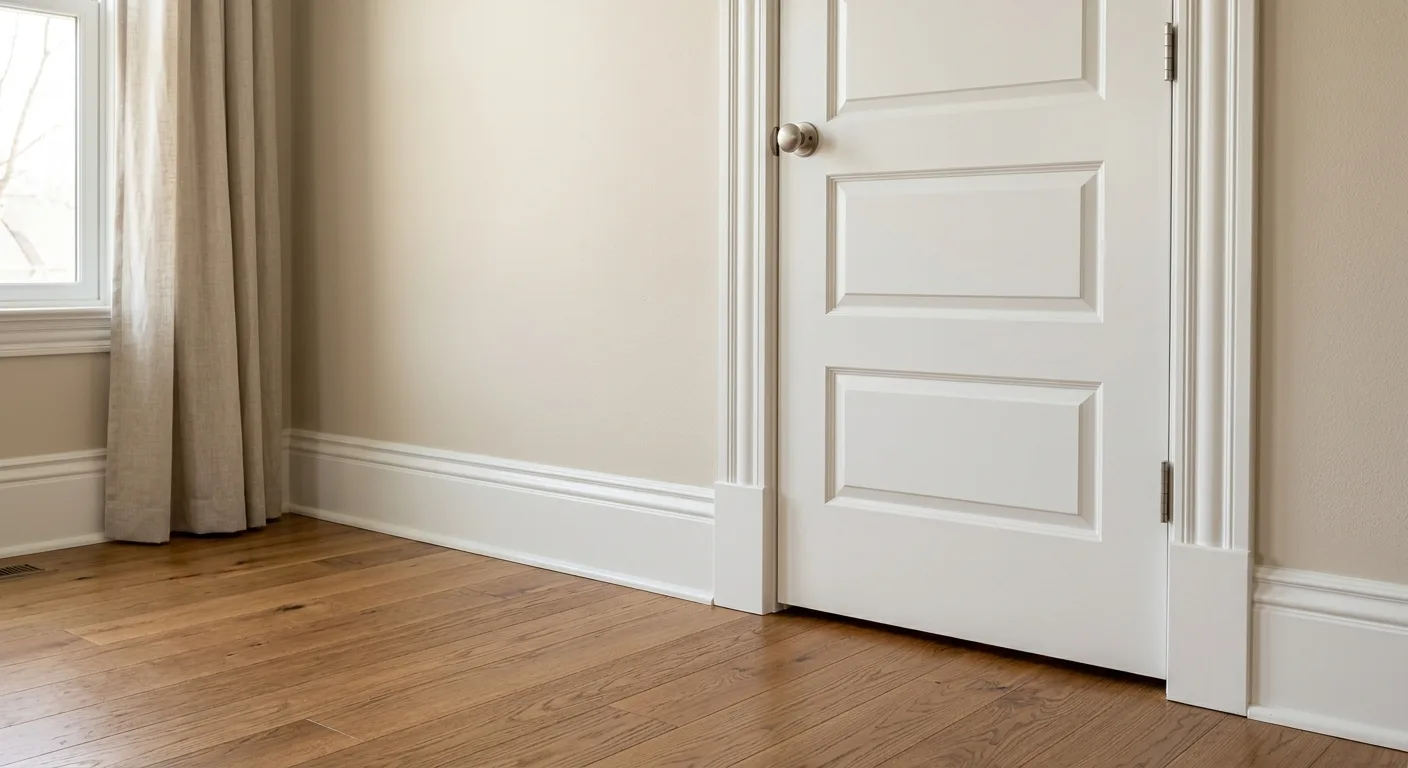
Baseboards, door casings, and architectural molding finished with a hard, level enamel coat that lasts.
Free estimate
Tell us what you need
Three fields. It reaches a person here, not a call centre.
What enamel woodwork actually requires
Enamel woodwork is where the quality of a paint job either shows or gets exposed. A high-sheen enamel coat on baseboards and door casings reads beautiful when it's done right and looks worse than the original when it isn't, because gloss doesn't hide anything. It magnifies. Every unfilled nail hole, every sanding skip, every brush stroke that wasn't leveled out will catch the light and sit there. Steve Greene Painting treats trim work as a finishing discipline, not an afterthought to wall painting. If your baseboards, door frames, or molding need a proper enamel coat, call to set up a free estimate.
The prep side of trim enamel takes longer than the painting side. Surfaces get sanded down to remove old build-up and nibs, gaps get caulked, and any damage gets filled before a single drop of finish goes on. The enamel we use is a high-grade product that levels out well and cures to a hard, scrubbable shell. Sheen selection matters too. Satin reads softer and forgives minor surface variation; semi-gloss amplifies the crispness but demands a cleaner substrate going in. We'll talk through what makes sense for your trim, your lighting, and how your home gets used. Cost on a trim project depends on linear footage, how many doors and windows are in scope, the condition of the existing finish, and whether any surface repairs are needed before paint goes on. Every job is different. Contact Steve Greene Painting for an accurate estimate.
Recent work
Proof in the details
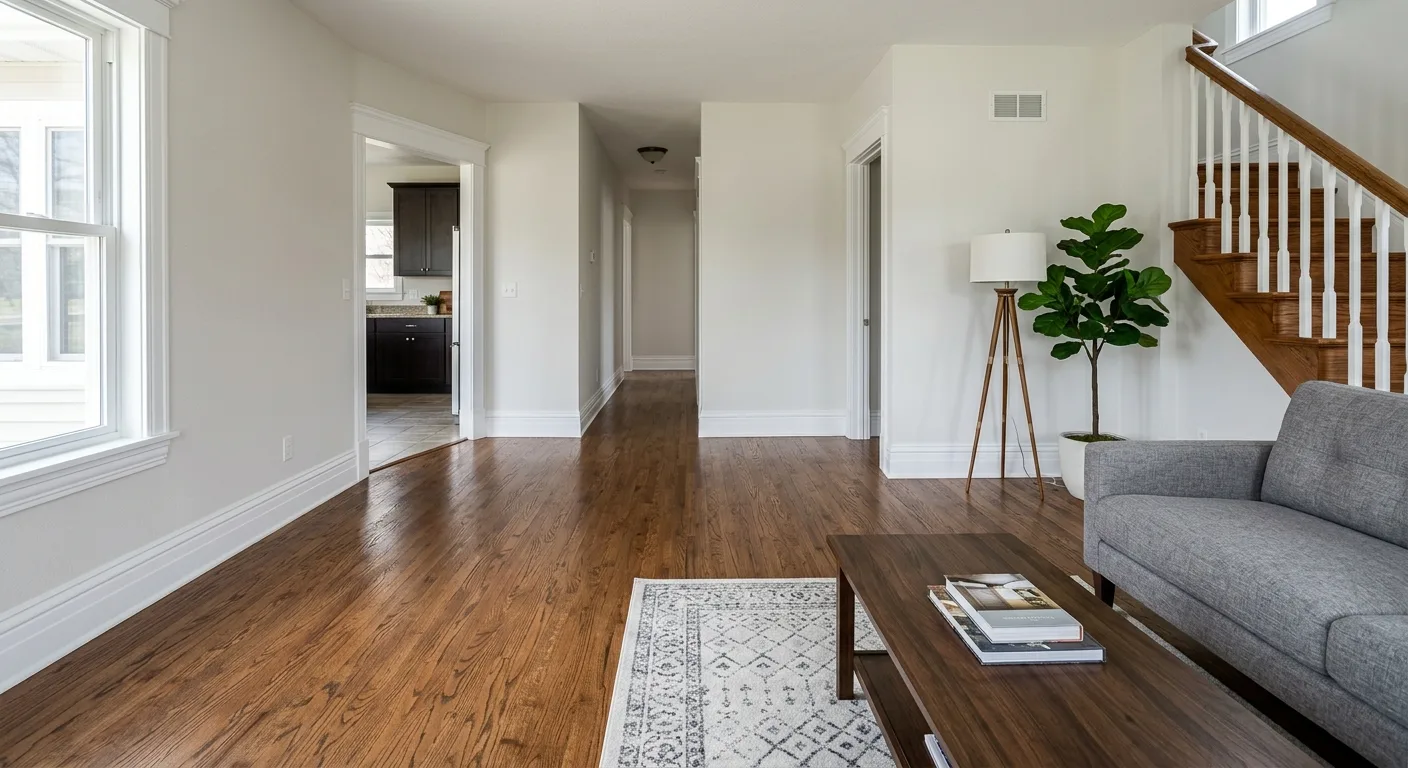
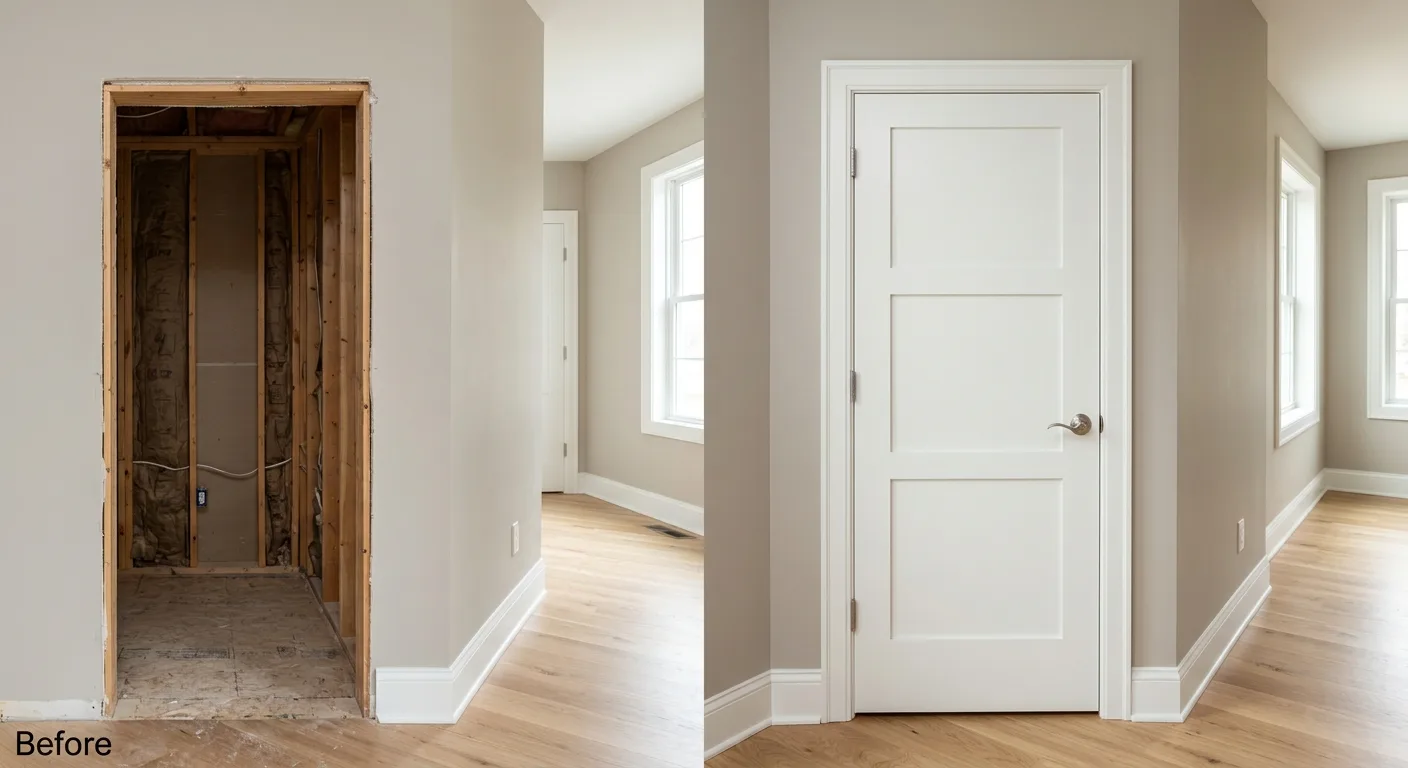
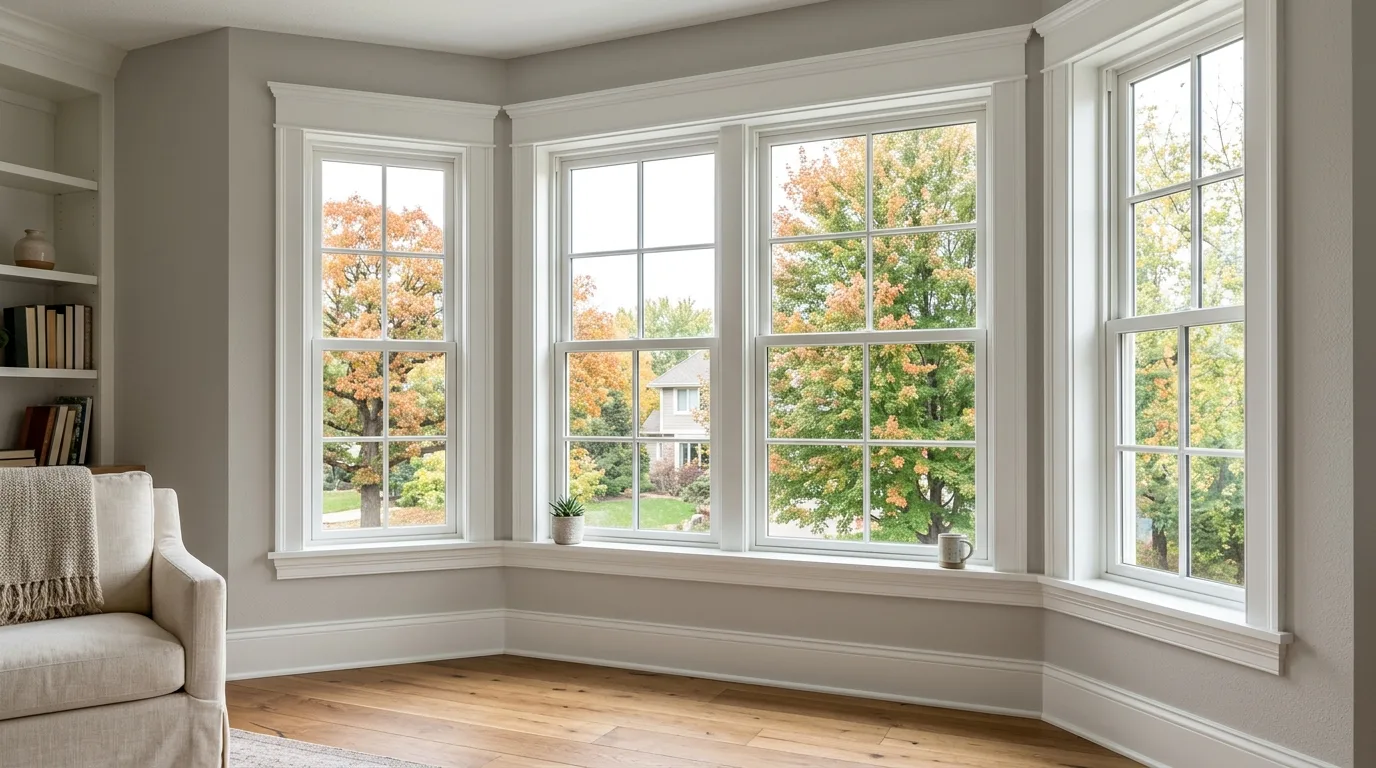
A few recent projects, photographed on the job. The finish is the whole point — so look at it up close.
Why trim enamel fails without the right prep
Gloss finish amplifies every flaw in the substrate underneath it.
Our Process
How a trim enamel job comes together
- 01
Surface Assessment and Prep
We look at the existing finish condition, check for adhesion problems, sand down any rough spots or old build-up, fill holes, and caulk seams. This phase takes the most time and determines everything about the final result.
- 02
Priming and Sealing
Bare wood, patched areas, and previously varnished surfaces all need a proper primer before enamel goes on. Skipping this step kills adhesion and causes the topcoat to peel within a year. We don't skip it.
- 03
Enamel Application and Level Check
Topcoat goes on in controlled conditions with enough time between coats for proper cure. We check for runs, sags, or brush marks between coats and address them before the finish dries hard. What you get is a level, consistent sheen across every surface.
What's Covered
Trim and woodwork we enamel regularly
Baseboards
The most visible trim surface in any room. We cut in clean edges at the floor and wall junction and leave a finish that wipes clean without scuffing.
Door Casings and Jambs
Interior door frames take a lot of contact. A hard enamel coat holds up where a standard latex wall paint would soften and mark.
Window Trim
Window frames see moisture variation and UV through the glass. We prep and finish them in a product that handles that movement without cracking at the joints.
Crown and Architectural Molding
Detailed molding painting requires clean cut-in on both the ceiling and wall edge. We don't tape and hope. We cut by hand for a tighter line.
Stair Rails and Newel Posts
High-contact surfaces that need a hard, durable enamel that can take grip and friction without wearing through the finish in a season.
Built-ins and Wainscoting
Panel work and built-in cabinetry get the same prep and finish sequence as cabinet enamel, because the result standard is identical.
Satin versus semi-gloss on interior trim
What makes this work different from roll-and-go painting
- 01
Surface prep takes longer than the painting
Filling, sanding, caulking, and priming woodwork correctly is slow work. We don't compress that phase to get to the paint faster.
- 02
Enamel is less forgiving than flat paint
A gloss finish exposes everything. We choose products that level out well and apply them in conditions where runs and sags won't happen.
- 03
Cut-in work is done by hand, not taped
Tape leaves a line. On trim edges and transitions, hand-cutting produces a tighter, cleaner edge. It's slower. It looks better.
Pair trim enamel with related finishing work
Steve Greene Painting carries a 5-star rating across all Google reviews.
- Trim enamel and molding painting scoped together
- Cabinet work scheduled alongside trim finishing
- Stain and varnish for window frames and exposed wood
- Standard hours Monday through Sunday, 8am to 8pm
Get an estimate on your trim enamel project
Trim work that actually looks finished. Call for a free estimate or submit your project details below.